
Beyond the ‘Coke Bottle’ Effect: Understanding Autism and PDA in the Classroom and at Home
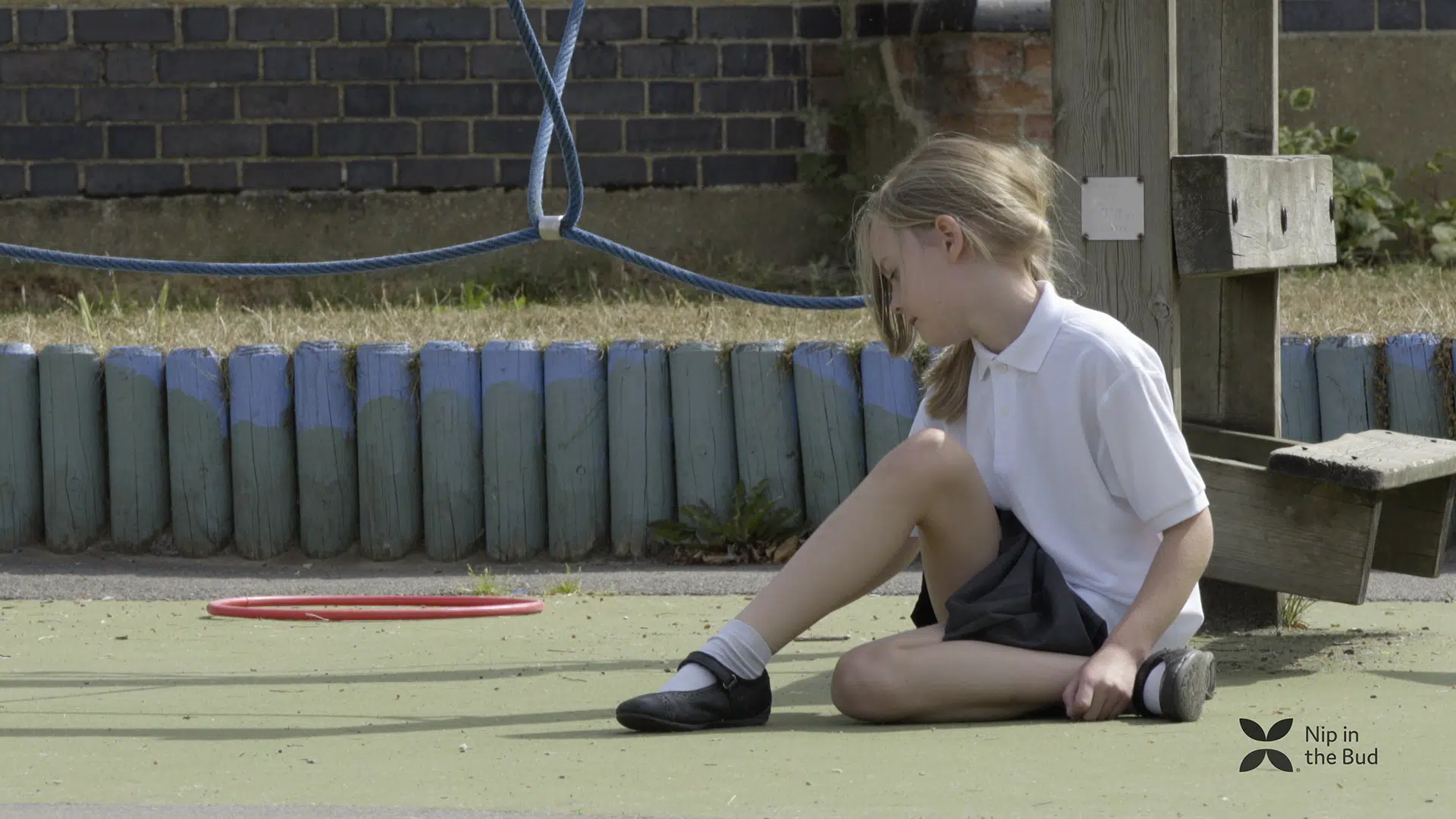
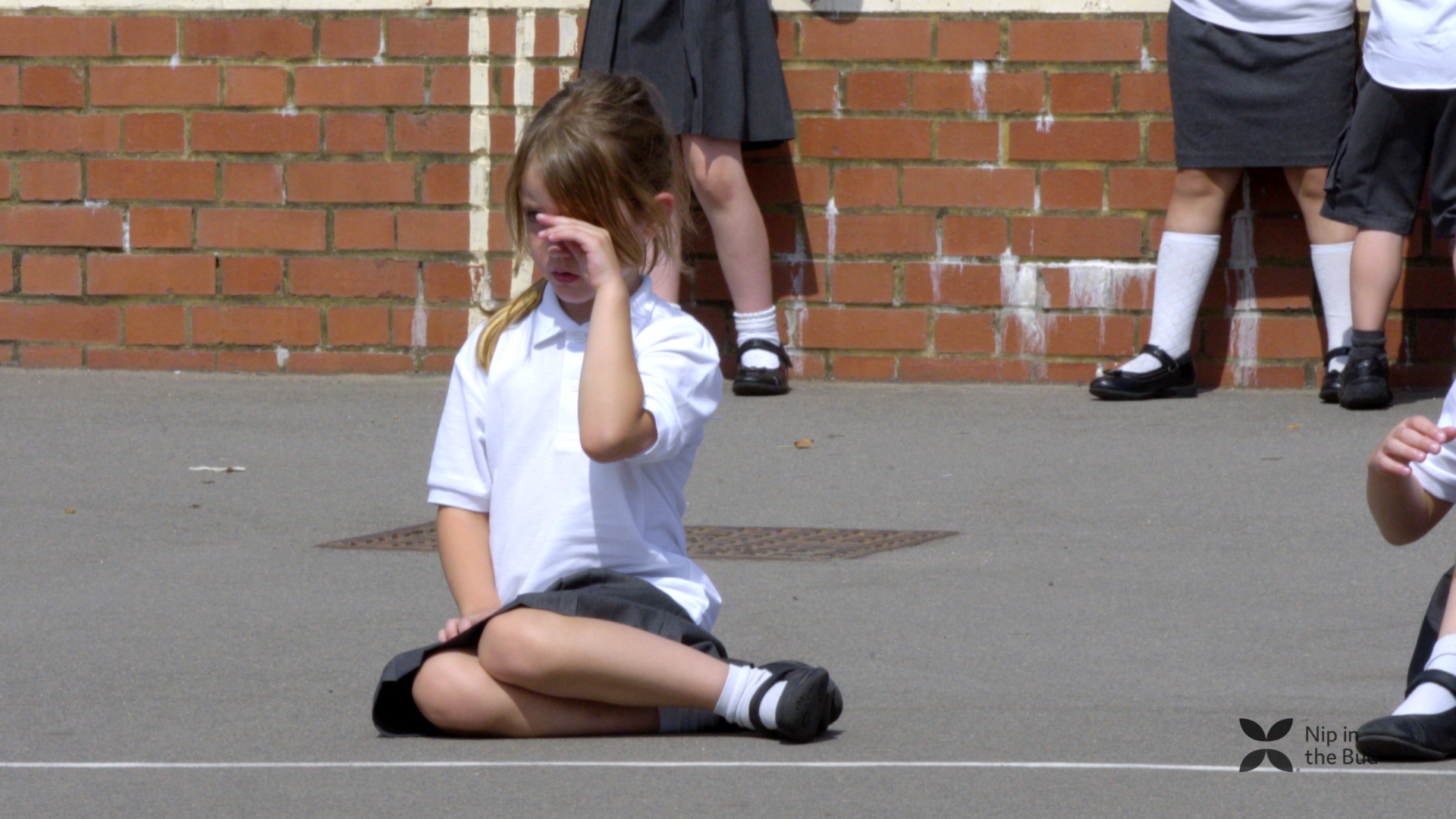
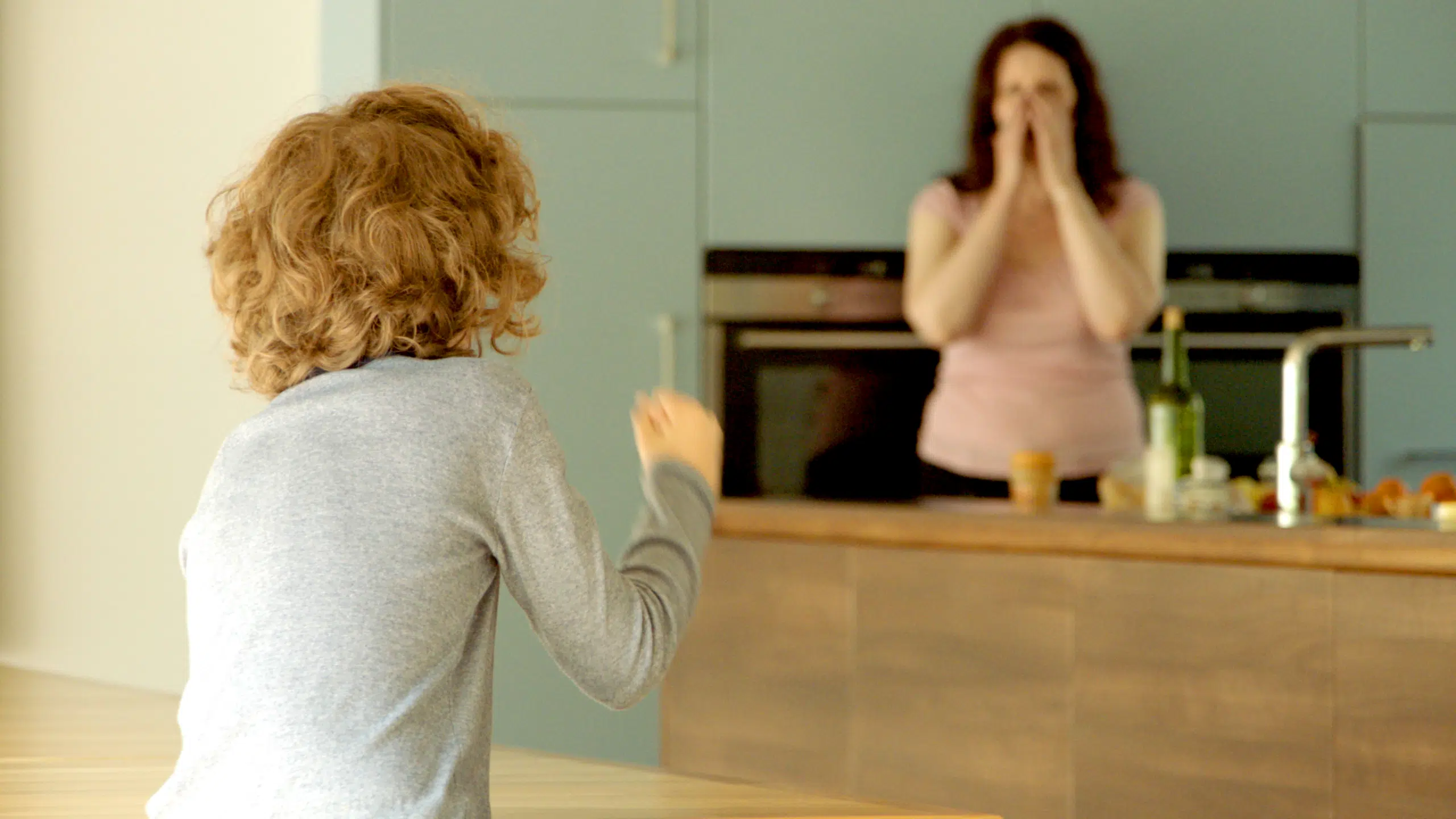
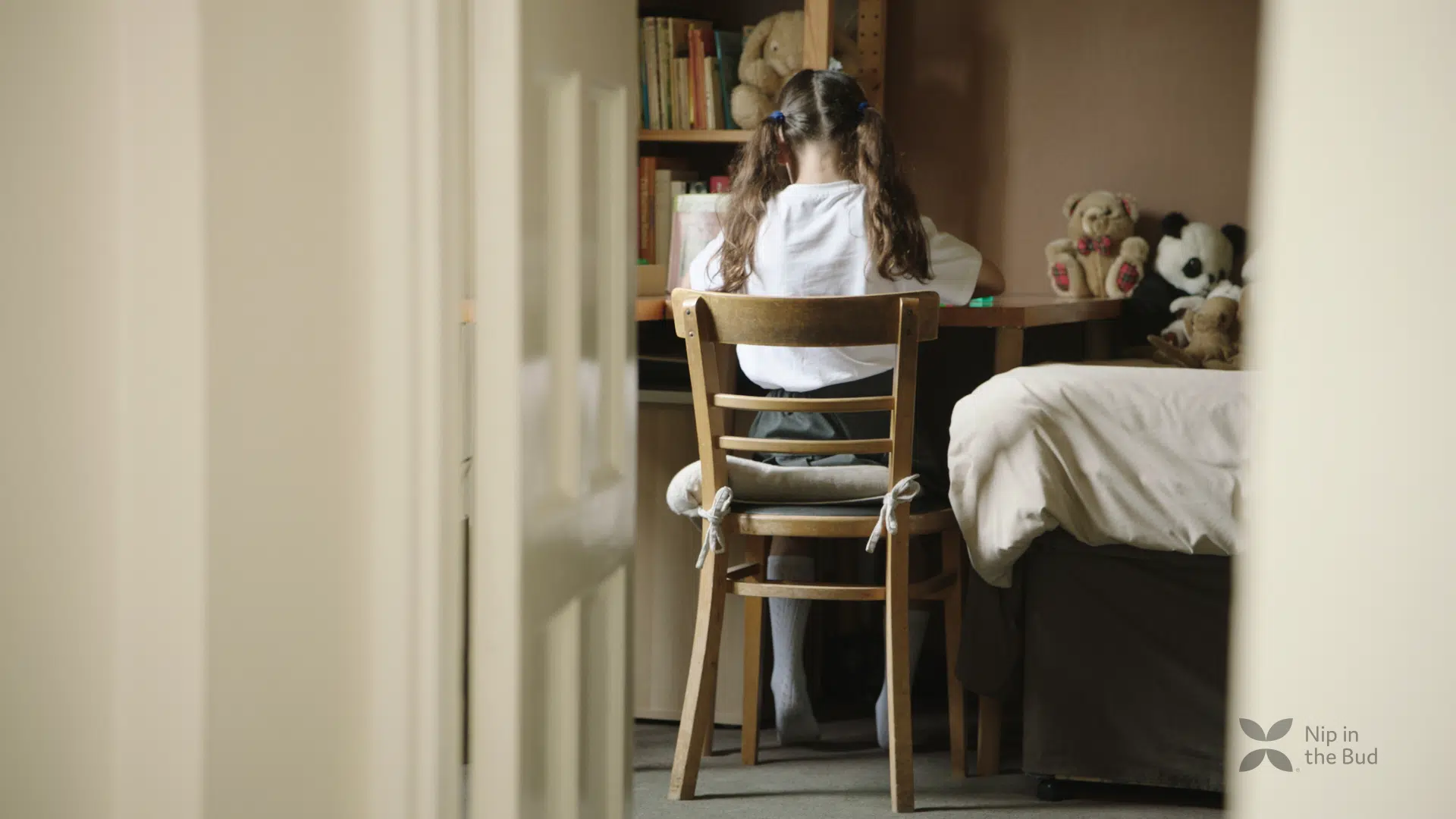
For many parents of neurodivergent children, the school gates represent an invisible boundary. On one side, a child might appear calm, compliant, and for all intents and purposes ‘fine’. School staff and peers see a child who is doing okay throughout the day. If they are not thriving, this is often missed because they appear fine, well behaved and often slip under the radar. On the other side of the gate however, the pressure of a day spent ‘masking’ or hiding just how much they are struggling in order to cope with the demands of the school day, is a building pressure. A pressure that can often, like a shaken coke bottle, lead to an explosive release at home.
In a recent episode of the Nip in the Bud podcast, I meet with Christine Walsh who shares her journey navigating this phenomenon with her two neurodivergent sons. Her story offers an interesting and often illuminating roadmap for both parents and educators on how to move past surface appearance, supposition and oftentimes judgement, toward true acknowledgement of need and support. Here we discuss Christine and her family’s experience.
From Exclusion to Oxford: Tier Blundell’s mission to reduce school exclusions in the UK
In this article, Tier Blundell shares how unrecognised ADHD and systemic racism led to his school exclusion, and how he eventually reached Oxford University. Learn how his organisation, Excluded from School, is now helping families and schools create more inclusive environments and reshape exclusion.
Building Great Schools: Insights from a transformative leader
In a recent Nip in the Bud podcast interview, expert educator and author Rachel MacFarlane shared her insights on what it takes to build a truly great, inclusive school culture. Driven by the belief that education can transform lives and create a more equitable society, she provided a clear roadmap for teachers and school leaders. She develops inclusivity of vulnerable children by using the word ‘underserved’ rather than ‘disadvantaged’, bringing the onus of change on adults in positions of care, to create a sense of possibility and hope for what can be achieved.