Skip to content
X Close Icon
Nip in the Bud Logo
Learning about Children's Mental Health through Film
  • Films for Parents / CarersThis is the Nip in the Bud Films for Parents / Carers post type
        • Mental Health Conditions

        • AnxietyAnxiety disorders are one of the most common mental health problems identified in children. Estimates of the rates of prevalence vary greatly from 8% to 27% lifetime prevalence by age 18. Chronic anxiety disorders are associated with increased risk of other serious mental health problems in later life. Therefore, early identification and treatment is key. Watch our information and real life experience films below or view and download our fact sheet and supporting presentation.
        • Depression
        • OCD
        • PTSD
        • Eating Disorders
        • Why is my child self-harming?
        • TraumaTrauma in children may be: A one-off experience, such as a car crash Living in an atmosphere that feels unsafe, or where they are witness to violence Experiencing, or witnessing, harm Experiences of war, or of becoming a refugee Stressful and challenging experiences are a part of life, and most children will experience these at some point. This becomes traumatic if the event is more than a child can make sense of, or cope with. To learn more about Trauma in Children, please refer to our informational and real-life experiences videos.
        • Body dysmorphic disorder
        • Neurodivergent Conditions

        • ADHD
        • Autism
        • Conduct Disorders/ODD
        • DyslexiaDyslexia in children is a common neurodevelopmental disorder affecting language processing, particularly in reading, spelling, and writing. It emerges early in childhood and persists into adulthood. Encourage your child’s strengths and provide a patient, nurturing environment. Remember, dyslexia doesn’t define intelligence. With the right resources like ours below, your child can flourish and excel in their own unique way.
        • Practical Guides

        • Tips for parents
        • Early Intervention SeriesNip in the Bud has produced four short early intervention films to explain the steps parents/carers can take to help a child who they suspect may be struggling with their mental health or with other difficulties or special educational needs.
        • Barriers to Learning
        • Families Under Pressure
        • UK Trauma Council ResourcesNip in the Bud is very grateful to the UK Trauma Council for permitting us to show on our website their series of four excellent animation films about Trauma and PTSD. The UK Trauma Council’s work is licensed under the Creative Commons Attribution-NonCommercial-NoDerivs 3.0 License. These animations have been produced with the involvement of young people themselves, and are designed to help young people and the adults around them recognise the signs of post-traumatic stress disorder. They also suggest ways of coping with scary memories, explain the science around the best treatments, and answer any worries you might have about getting support.
        • Emotional Wellbeing

        • Grief & loss
        • Coping with Stigma
        • Smartphones: A Stolen Childhood
        • Managing Anxiety
          around school
        • Colour Coding Emotions
        • Feelings Wheel for Children
        • Random Acts of Kindness
        • Mindfulness in Nature
        • More Info

        • Real Life Experience
        • PodcastThis is the Nip in the Bud Podcasts post type
        • Fact Sheets
        • Resource Library
        • Join our mailing list
  • Films for Teachers / ProfessionalsThis is the Nip in the Bud Films for Teachers / Professionals post type
        • Mental Health Conditions

        • AnxietyIt is becoming increasingly common that children and young people in your school or classroom may be diagnosed with anxiety. Symptoms of anxiety in children vary, but it’s important that you are able to understand and recognise how this might affect learning in a classroom environment. It’s normal for everyone to feel anxious from time to time – it’s a normal response to stress. However, some young people may experience uncontrollable levels of anxiety that are excessive in relation to what’s happening around them –can therefore struggle with their day-to-day tasks and schoolwork. Common worries can become overwhelming for children and young people with anxiety leading to them becoming quite distressed. If this does happen there are a few ways in which you can respond to try and calm the situation. Some signs and symptoms to look out for include tears when entering school, being withdrawn from their peers, concentration difficulties, fidgeting, changes in appetite, and irritability. Download our factsheet for more information on what to look for if you suspect a child or young person in your class is suffering from anxiety. Getting the conversation going can be a good starting point – for example, planning lessons themed around…
        • DepressionDepression is a common yet serious mood disorder that involves a persistence of deep sadness, hopelessness, and numbness. Someone experiencing depressing may feel a constant melancholy that prevents them from enjoying their everyday life. Children and young people especially can feel alone and misunderstood which often stops them from expressing how they feel to people close to them. This isolation can lead to suicidal feelings, self-harm and, in a worst-case scenario, suicide. Parents and teachers are often the first to identify the symptoms of depression in children and young people. Some key symptoms of depression include excessive and persistent worry, moodiness, over or undereating, and self-harm. Some symptoms manifest in physical ways that are a little easier to spot as a teacher during school time such as frequent aches and pains, not wanting to play, either complete isolation or clinginess, and uncharacteristic irritability and anger. There are many risk factors at school that can lead a child to develop depression. As a teacher, you should be on the lookout for children experiencing bullying, social isolation, a lack of self-confidence, and an inability to keep up with schoolwork, among other factors. Children particularly vulnerable to depression are ones who experience abuse,…
        • OCDObsessive compulsive disorder (OCD) is a mental health condition that involves repetitive, intrusive, and impulsive thoughts and images entering the mind, causing intense anxiety. As a result of this anxiety, the child or young person engages in compulsive or repetitive behaviours designed to ease their anxiety. They then obsessively repeat these behaviours to rid themselves of the anxiety, causing detriment to their daily life. Early signs of OCD can include excessive worrying and feeling a strong sense of responsibility over yourself and others. A child or young person will ask for constant reassurance about whether their homework is correct or whether they are doing something right or being a good student as they no longer trust their own judgement. As a teacher, these are early signs you can look out for which can inform how you approach the child going forward. Stress at school and bullying are key factors which exacerbate the development of OCD – the more overwhelmed a child feels, the more they give into their compulsive, repetitive behaviours to ease their anxiety. As a teacher, it is your duty to make sure the classroom is a safe space for all, keeping an eye on students who seem…
        • PTSDPTSD or post-traumatic stress disorder can be triggered in children and young people when they experience a particularly horrifying or scarring event. The cause can be as varied as a car crash or sexual assault. A child can develop PTSD if they are involved in this event, witnessed it, or even heard about it second-hand. It can be difficult to identify PTSD in children and young people, as they are reluctant to talk about the trauma they experienced as a way to protect themselves. However, there are some tell-tale signs of PTSD that you can look out for in your students. Children with PTSD will often have trouble concentrating and may even fall asleep during school time due to the lack of sleep they’re having at home, making learning much harder. A sudden plummet in grades is also a red flag – in such cases, it is important to check up on the student rather than reprimand them, which can cause further harm. PTSD also causes many children or young people to become highly irritable and angry due to the intense emotions they’re experiencing, often making them see other people as a threat. In this case, it is important to…
        • Eating DisordersAn eating disorder develops when a child’s and young person’s emotional well-being gets tangled up with their eating habits – for example, if their self-esteem is dependent on how much they eat or don’t eat. Eating disorders are most common in teenagers between the ages of 13 to 17 and they can manifest in a multitude of ways. Anorexia nervosa is a serious mental illness where a person has an intense fear of gaining weight, often accompanied by body dysmorphia – a distorted view of one’s body. This fear leads them to eat very little or nothing at all, leading to severe and potentially life-threatening weight loss. Bulimia nervosa is a serious mental illness that stems from being shamed about consuming large amounts of food, and your weight. A person will binge eat as much food as they can in a short space of time – this is often out of their control. They will then purge – making themselves throw up all the food they have eaten to avoid putting on weight from the binge. This leads to severe and potentially life-threatening weight loss. Binge eating is a serious mental illness which, similarly to Bulimia, involves consuming large amounts…
        • Self-harm in the ClassroomSelf-harm in children and young people happens when a person experiences an overwhelming flood of emotions such as guilt, shame, anger, hate, and a lack of control. This leads them to inflict deliberate harm upon themselves as a way to relieve the flood of emotions they are experiencing and punish themselves for feeling them in the first place. This can take the form of cutting themselves with sharp objects, over-eating or under-eating, pulling their hair out, burning themselves, and misusing intoxicants such as alcohol and drugs. Distress and overwhelming emotions often manifest during school time, and as a teacher it is important to have an awareness that school can be a trigger for students struggling with self-harming tendencies. Create a safe and open space for all students by letting your students know you are always here to support and hear them out whenever they need it. Common signs of self-harm include cuts, burns, and hair-pulling – these are easier to spot as they are often visible on the student’s body. However, young people can be very good at hiding their scars under long jumpers and trousers. If a student is adamant about keeping their jumper on even during hot temperatures,…
        • TraumaIf a child in your care is suffering with Trauma, they will be very distressed. This may be obvious, or it may show up in the form of physical ailments such as headaches or vomiting. They may show signs of regression in toileting or feeding, struggle with their schoolwork or find it difficult to concentrate. Watch our Informational film on Trauma and Children with Dr Sian Williams and Dr David Trickey to understand how children react to Trauma and how they can be helped.
        • Body dysmorphic disorder
        • Neurodivergent Conditions

        • ADHDADHD, or Attention Deficit and Hyperactivity Disorder, presents itself in many ways which can sometimes make it difficult for teachers to spot the signs. It is characterised by difficulties in the areas of attention, level of activity and impulse control. ADHD is a recognised developmental disorder which can affect many areas of a child’s life – including in a learning environment. It is common for ADHD to be misdiagnosed in girls, as the symptoms of ADHD present differently to that of boys, and aren’t as commonly shared. One of the most important things you can do as a teacher for a student with ADHD is to learn and understand how they are feeling, and how they see the world around them. Sometimes for students with ADHD it may feel like nobody understands them. In this video, we go through our tips for teachers who have a child in their class who has Attention Deficit Hyperactivity Disorder (ADHD). Also, view our Practical Tips for Teachers in the Classroom below .
        • Autism
        • Conduct Disorders/ODDODD, or oppositional defiant disorder, is diagnosed in children and young people that are persistently and repetitively antisocial, disobedient, have frequent tantrums, can not listen to authority, and purposely harm others. Conduct disorders are the most common disorders in children and are more frequent in boys, with 7% of boys and 3% of girls meeting the criteria for conduct disorders. It is normal for children and young people to be defiant towards authority to some degree, but if a particular student stands out from the others in your class and is perpetually defiant, violent and resentful towards others, this can develop into ODD. A child or young person with ODD will often engage in a range of violent and destructive behaviours such as fighting, temper tantrums, arguing with adults and peers, and lying and blaming others for their behaviour. In some extreme cases, the child or young person may engage in being cruel to animals and starting fires. As a teacher, it can be difficult to know how to handle a student with ODD in a way that ensures they make the most of their learning and helps their behaviours and social relationships. However, there are things you can do…
        • DyslexiaChildren with Dyslexia have a different intelligence, way of thinking and way of seeing the world.  Many innovators, inventors and successful entrepreneurs have been Dyslexic.  Dyslexic thinking skills include imagination, inspiration, creativity and the ability to solve things. They sometimes find it difficult to fit into rigorous, inflexible education methods. Our resources for teachers and professionals on Dyslexia explain that if the condition is spotted early, there are strategies that can be used to work on the strengths of Dyslexic children which will allow them to develop different talents and thrive in life.
        • Practical Guides

        • Managing transitions
        • Tips for Teachers Series
        • Barriers to Learning
        • Handling Disclosures
        • Early Intervention SeriesThis Early Intervention series of short episodes produced by Nip in the Bud are a guide to how schools can help parents if they notice changes in behaviour or in emotional wellbeing in a child and how parents and teaching staff can work together to address potential children’s mental health conditions.
        • Training Resource
        • UK Trauma Council ResourcesNip in the Bud has been given permission by the UK Trauma Council to share this series of four short animations which they have produced on the topic of Trauma and PTSD. The UK Trauma Council’s work is licensed under the Creative Commons Attribution-NonCommercial-NoDerivs 3.0 License. These animations have been produced with the involvement of young people themselves, and are designed to help young people and the adults around them recognise the signs of post-traumatic stress disorder. They also suggest ways of coping with scary memories, explain the science around the best treatments, and answer any worries you might have about getting support.
        • Emotional Wellbeing

        • Grief & loss
        • Stigma and discrimination
        • Smartphones: A Stolen Childhood
        • Managing Anxiety
          around school
        • Colour Coding Emotions
        • Feelings Wheel for Teachers
        • Random Acts of Kindness
        • Check In Check Up Check Out
        • Mindfulness in Nature
        • More Info

        • Real Life Experience
        • Fact Sheets
        • PodcastThis is the Nip in the Bud Podcasts post type
        • Resource Library
        • Join our mailing list
  • Get support
  • About
  • Blog
  • Podcasts
  • Contact
  • Donate
Search
Meet The Team

Meet The Team

Kitty Nabarro, Chair

Kitty co-founded Nip in the Bud together with her husband Daniel in 2015 and is the Chair and administrator of the charity. Previously Kitty worked as a teacher of modern languages in secondary schools and adult education. After retiring from the classroom she became an active volunteer for OCD Action, with particular focus on the OCD at School programme, giving awareness talks prepared by the Maudsley Hospital.

In 2023 Kitty’s outstanding voluntary work and commitment to promoting a greater awareness of Children’s Mental Health was recognised by the Prime Minister with a Points of Light Award.
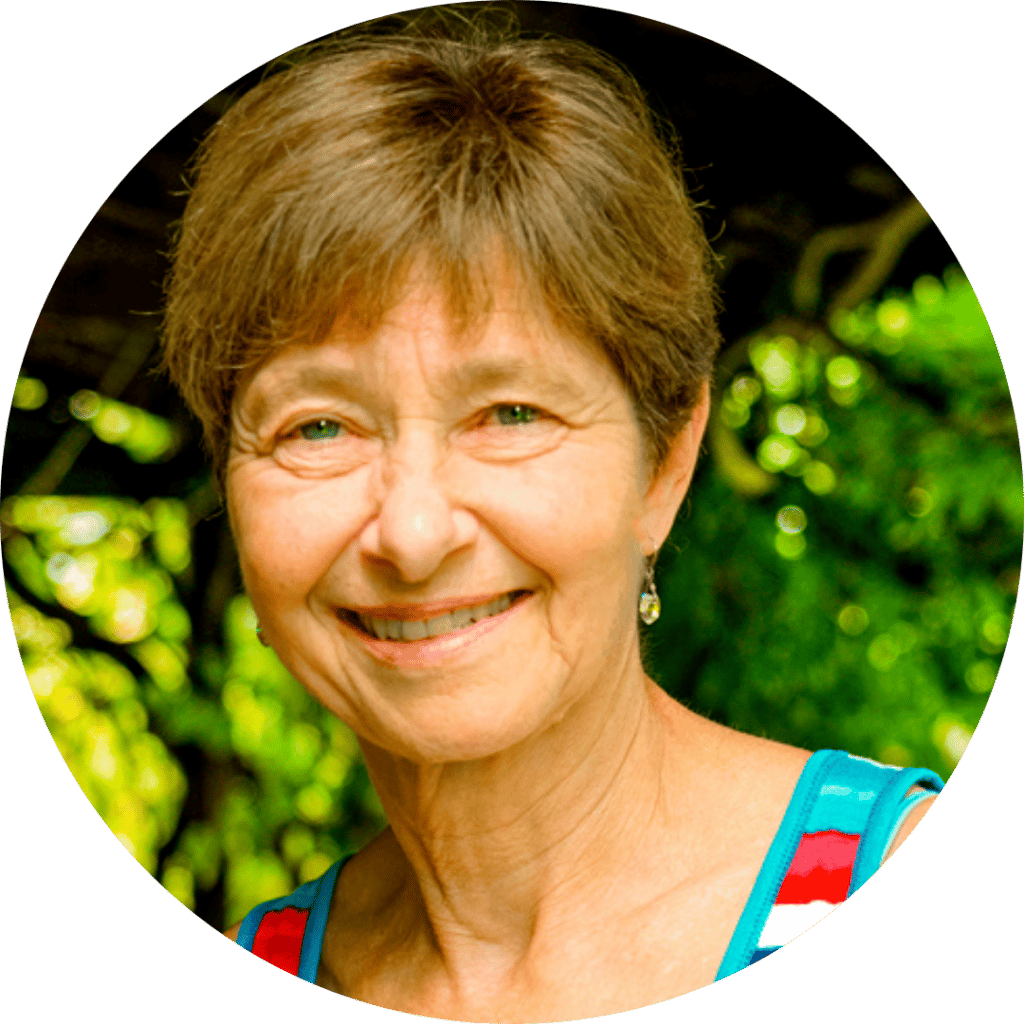
Dr Gordana Milavić, Trustee

Dr Milavić is a Consultant Child and Adolescent Psychiatrist at the Maudsley Hospital, London. Dr Milavić specialized in child and adolescent psychiatry at Guy’s and St Thomas Hospitals in London. She has been a Member of the Royal College of Psychiatrists in London, UK since 1980 and Fellow since 1996. She has near 40 years’ experience of clinical practice.

From 2006 to 2012 she was the Clinical Director for Child and Adolescent Mental Health Services of the South London and Maudsley NHS Foundation Trust.

Dr Milavić’s interest in the organisation of child and adolescent psychiatry services led to her post of Co – Chair of the Child and Adolescent Psychiatry Section of the World Psychiatric Association (2011 to 2017). She has been a member of the Psychiatry Council of the Royal Society of Medicine in the UK from 2014 to date and will be taking over the presidency of the Psychiatry Section from October 2022. She is currently Chair  of the Association for Child and Adolescent Mental Health, UK.
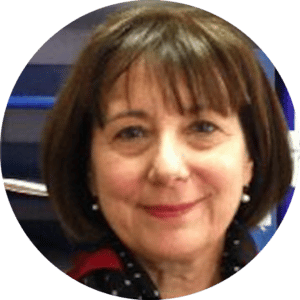
Michael Caro, Trustee

Michael is a retired corporate lawyer who was a partner at Baker McKenzie. He became a Trustee of OCD Action in 2012 and was responsible for ‘converting’ OCD Action from an unincorporated association into a Charitable Incorporated Organisation. Michael was responsible for setting up Nip in the Bud and registering it with the Charity Commission as a Charitable Incorporated Organisation.

Dr. Lisanne Stock, Trustee

Lisanne is a doctor who is currently working in North Central London. She has previously worked in a variety of London hospitals including Great Ormond Street Hospital, University College Hospital and The Royal Free Hospital. She has an interest in medical education and as a student, was President of the Oxford Society of Medicine and the Oxford Society for Psychiatry and Clinical Neurosciences.

Denman Rooke, Trustee

Denman is a television producer. He spent 25 years at one of the UK’s leading TV production companies, October Films, based in London and New York. He was the company’s managing director for ten years and the executive chairman for five. As director, producer and executive producer he has produced hundreds of hours of factual programmes, mainly domestic and international documentaries, including programmes about disability and mental health. During Denman’s time at October Films the company was the winner of over 100 major awards, including Emmys, Royal Television Society, BAFTA and Broadcast Awards.

Michelle Blunt, Trustee

Michelle was an intellectual property lawyer with Baker McKenzie. In October 2021, Michelle stepped down as a partner and head of the IP team to make space to enrol in an undergraduate degree in psychology and neuroscience to enable her to embark on a second career. She is studying for a BSc at King’s College London (KCL). Michelle is the mother of two school-aged boys and is active in parent communities for neurodiverse children. Michelle has a longstanding passion for promoting better understanding and support of mental health and has been active in the legal sector for many years, including participating in the “This is Me” campaign.

Julie Eyres, Trustee

Julie Eyres is a Head Teacher of a small primary school in Barnet. After spending 15 years working as a contract negotiator for IT and telecommunications, she made the decision to move into education, retraining as a primary school teacher – and has never looked back.

For Julie, education is all about the individual child. Enabling them to fulfil their potential, no matter the hurdles they face. She takes time with children and families to understand the whole picture so they can work together to identify the challenges and find solutions.

She believes all children have the potential to become creative thinkers, lifelong problem solvers and social advocates. To achieve this, she believes it is imperative for every child to learn how to look after themselves physically, emotionally and psychologically. This takes time, care, thought and support.

Her ultimate goal is for her children to leave school equipped with a “tool kit” of skills, including emotional intelligence, resilience, empathy and social connectedness.

Mike Eder, Trustee

Mike Eder is a business leader and entrepreneur with nearly two decades of experience in marketing technology. As CEO of Pion, he has built one of the UK’s leading technology companies, pioneering innovative digital solutions that connect global brands with consumers. A passionate advocate for children’s mental health, Mike lends his expertise in strategy, marketing, and digital innovation to Nip in the Bud, championing its mission to raise awareness and improve early intervention. He also serves as a school governor in Barnet, supporting education and student well-being. Committed to fostering inclusive environments, Mike is dedicated to creating meaningful opportunities for young people to thrive.

Nick Angel, Trustee/Treasurer

Nick is a qualified accountant with almost two decades of experience, specialising in financial management, tax advice, and audit. He has worked with businesses of all sizes across various industries, helping them to grow and achieve commercial success. As Treasurer of Nip in the Bud, his expertise in governance and financial oversight provides valuable support to the charity’s mission.

As a father of three young children and the husband of a primary school teacher, Nick understands firsthand the importance of children’s mental health. He was eager to join Nip in the Bud to support its vital work in raising awareness and providing resources to help parents and teachers support children as they navigate life’s challenges.


Marcia Brissett-Bailey

Co-Editor | Author | Advocate

Marcia Brissett-Bailey is a writer, educator, and advocate with a focus on amplifying underrepresented voices and experiences. Marcia has over 30 years of experience across education from early years, primary, secondary, post-16, to higher education and also worked for local authority, supporting families, children and young people with special educational needs and disabilities.  Marcia brings a deep understanding of neurodiversity, identity, and social equity to her work. She is passionate about creating inclusive spaces for learning, and her expertise spans both collaborative and personal projects.

Marcia is the author of Black, Brilliant and Dyslexic. She is committed to championing voices that challenge stereotypes and inspire meaningful dialogue.

Her influence extends beyond writing. As a member of neurodiversity advisory boards in the USA and the UK, Marcia has become a beacon of hope and inspiration for countless individuals. She has been recognised by Dyslexia Help at the University of Michigan, where she is featured as a notable dyslexic, and has received multiple awards, including the Diversity Power 100 and the British Dyslexia Association Adult Award.

Samantha Wrightson, Executive Film Producer

Samantha Wrightson is an Executive Producer of film and television. She has produced and directed over 100 hours of documentaries and factual entertainment for BBC, ITV, Channel 4, The History Channel and UKTV. As an Executive Producer, she has developed and sold formats around the world. Samantha’s short films have been shown in over 50 countries, winning Official Selection for Sundance, Best Film awards at Paris, San Francisco, Austin and Palm Springs.

In addition to her roles in film and television, Samantha has worked in the arts, producing educational films for Senate House Library, World Monument Fund and Stowe House, as well as producing for BBC New Talent, and The Birds Eye View Comedy Lab.

Samantha is very interested in the topic of mental health in primary school children and is currently governor of a primary school.
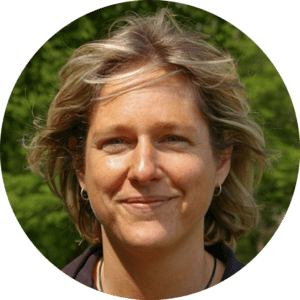
Alis Rocca, Educational Consultant

Alis is an education consultant and leadership coach working with school leaders nationally to develop their leadership skills and pedagogy in order to provide a high quality education which meets the needs of all children. Alis has worked in education for over 25 years as a class teacher and then as a Head Teacher of two primary schools.

Alis is also involved in nurturing good mental health and wellbeing in her capacity as a coach, and a yoga and meditation teacher. She helps parents, teachers and children learn tools that will build a sense of mindfulness, happiness and calm, enabling them to reach their full potential individually and to make a positive impact on those around them.

Alis is passionate about teaching children and young people the skills to become effective, life-long learners. She believes that children should continue to love the process of learning with curiosity and excitement in the way they did when very young. Her work helps provide opportunities, in schools and at home, for children to see themselves as capable learners, and for the adults who care for them to understand each child’s own unique place in the world and be with them collaboratively on their learning journey.

Watch Films for Parents and Carers

Learn more

Watch Films for Teachers

Learn more

Download Mental Health Fact Sheets

Learn more
Nip in the Bud Logo
© 2026 Nip in the Bud
Nip in the Bud® is a Charitable Incorporated Organisation registered in England and Wales with the Charity Commission under number 1162388
Twitter Facebook Instagram Vimeo YouTube LinkedIn
Privacy and Cookies Policy  |  Sitemap  |  Splitpixel - WordPress Agency London
  • Films for Parents / Carers
    • ADHD
    • Anxiety
    • Autism
    • Conduct Disorders/ODD
    • Coronavirus
    • Depression
    • Depression
    • Eating Disorders
    • OCD
    • PTSD
    • Why is my child self-harming?
    • Families Under Pressure
    • Real Life Experience
  • Films for Teachers / Professionals
    • ADHD
    • Anxiety
    • Autism
    • Conduct Disorders/ODD
    • Coronavirus
    • Depression
    • Eating Disorders
    • Emotional Wellbeing
    • OCD
    • PTSD
    • Real Life Experience
    • Self-harm in the Classroom
  • Where to Get Help
  • Podcasts
  • All Fact Sheets
  • About Us
  • Blog
  • Contact
  • Donate

We are using cookies to give you the best experience on our website.

You can find out more about which cookies we are using or switch them off in .

Nip in the Bud
Powered by  GDPR Cookie Compliance
Privacy Overview

This website uses cookies so that we can provide you with the best user experience possible. Cookie information is stored in your browser and performs functions such as recognising you when you return to our website and helping our team to understand which sections of the website you find most interesting and useful.

Strictly Necessary Cookies

Strictly Necessary Cookie should be enabled at all times so that we can save your preferences for cookie settings.

3rd Party Cookies

This website uses Google Analytics to collect anonymous information such as the number of visitors to the site, and the most popular pages.

Keeping this cookie enabled helps us to improve our website.

Cookie Policy

More information about our Cookie Policy